The right app developer in Melbourne for you is the one that can show you live software it built, puts scope and price in writing before work starts, gives you ownership of the code and accounts, and tells you exactly who will do the work. Everything else, including awards and rankings, comes second. This guide is the checklist we would use if we were hiring a studio ourselves. We are a Melbourne studio, so where it is true we note how IMME answers each question. We do not name or rank other agencies.
What should you check before you shortlist an app developer?
- Live work you can open and use today, not only screenshots or a showreel.
- Work similar in shape to yours, such as a portal, a SaaS product or a mobile app, not just the same industry.
- A scoping or discovery phase before the build, with a written output you keep.
- Written ownership terms covering code, hosting, domains, store accounts and analytics.
- A fixed quote, or a capped estimate, for a defined scope.
- Named people: who designs, who builds, and who you talk to each week.
- A plan for after launch: support, maintenance, or a clean handover.
- Past clients you can speak to, where the work is not confidential.
What questions should you ask an app developer?
| Question | Why it matters | A good answer |
|---|---|---|
| Who owns the code, hosting and store accounts? | In Australia, IP created by a contractor belongs to the contractor unless the contract says otherwise. | You do, in writing, with accounts in your business name from day one. |
| Is the quote fixed, and what is excluded? | Open-ended hourly work moves the estimate risk onto you. | A fixed written quote for a defined scope, exclusions listed, and a clear change process. |
| Who will actually do the work? | The people in the pitch are not always the people who build. | Named people, with any subcontracting disclosed up front. |
| Where is the team, and how does handover work? | Time zones and missing documentation slow every fix after launch. | Clear locations, shared working hours, documentation and a runbook. |
| What happens after launch? | Apps need updates for new operating systems, security fixes and store policy changes. | A support plan with response times, or a documented handover. |
| How will I see progress? | Status reports can hide problems for weeks. | Working software you can click through every week or two. |
What are the red flags when hiring an app developer?
- Accounts in their name. Apple, Google Play, domain or hosting registered to the developer, with no plan to transfer them.
- A price before any questions. A number given before anyone has asked what the app must do is a guess or a template.
- Uncapped hourly billing on undefined scope. Hourly suits some work, but not without a cap and a scope.
- "We can build anything." Without similar live work, that is a claim, not evidence.
- A different team after signing. The people you met hand you to people you did not.
- No mention of maintenance, or maintenance offered only as a retainer you cannot leave.
- Pressure to sign quickly, or a quote far below the market with no explanation of how.
What should a good app development proposal include?
Ask for these in writing before you sign. If a proposal is missing one, ask why.
- Scope written as user flows and features, so you can check it against what you need.
- An explicit list of what is not included.
- Milestones, with a working demo at each one.
- The price, the payment schedule, and what triggers each payment.
- How changes are requested, priced and approved.
- An ownership clause covering code, designs, content and accounts.
- Support terms after launch, and what a handover includes.
A proposal that is vague on scope but precise on payment dates is telling you where the risk sits.
Does it matter if the developer is onshore or offshore?
It matters less than whether you know. Clutch's pricing data lists firms in Australia in the US$100 to US$149 hourly band, against US$25 to US$49 for firms in the Philippines and Ukraine and under US$25 in India. Offshore delivery can work well. What goes wrong is not knowing it is happening.
Clutch's Melbourne app developer directory lists firms with average hourly bands from under $25 to $200 to $300. A Melbourne address does not tell you where the delivery team is, which is fine as long as the firm says so. Ask directly where the people writing your code are, what hours overlap with yours, and what documentation you get at handover. For what those rates mean in practice, see how much an app costs to build in Australia.
How should you read Clutch and other directory reviews?
Directories are a useful way to build a shortlist. Read them for what they are.
- Know how reviews get there. Clutch says reviewers verify their identity through LinkedIn, Google or a company email, software checks each reviewer's digital footprint, and a human editor reads every review before it is published.
- Position is not merit. Clutch says sponsored listings appear above organic results. Sponsorship changes the default position in a directory, but not the underlying Clutch Rank score.
- Rank measures more than delivery. Clutch Rank combines reviews with online presence, awards and specialisation, so a high rank partly reflects how active a firm is on the platform.
- Read the review, not the stars. Look for project type, budget band, the reviewer's role, the date, and what went wrong and how it was handled.
- Few reviews is not a verdict. Newer studios, and studios whose clients keep work confidential, can have thin profiles. Ask for live work instead.
How does IMME answer these questions?
- Ownership: you own the code repository, hosting and accounts, with documentation and no lock-in to IMME.
- Quote: a 20 minute call, a short discovery sprint, then a fixed written quote. No build starts without it.
- Who does the work: one small senior team across design and engineering.
- Progress: a working build to click through every week.
- After launch: we measure real usage and fix what matters, then hand over cleanly or keep improving with you.
- Where: based in Melbourne, working with founders and teams across Australia and overseas.
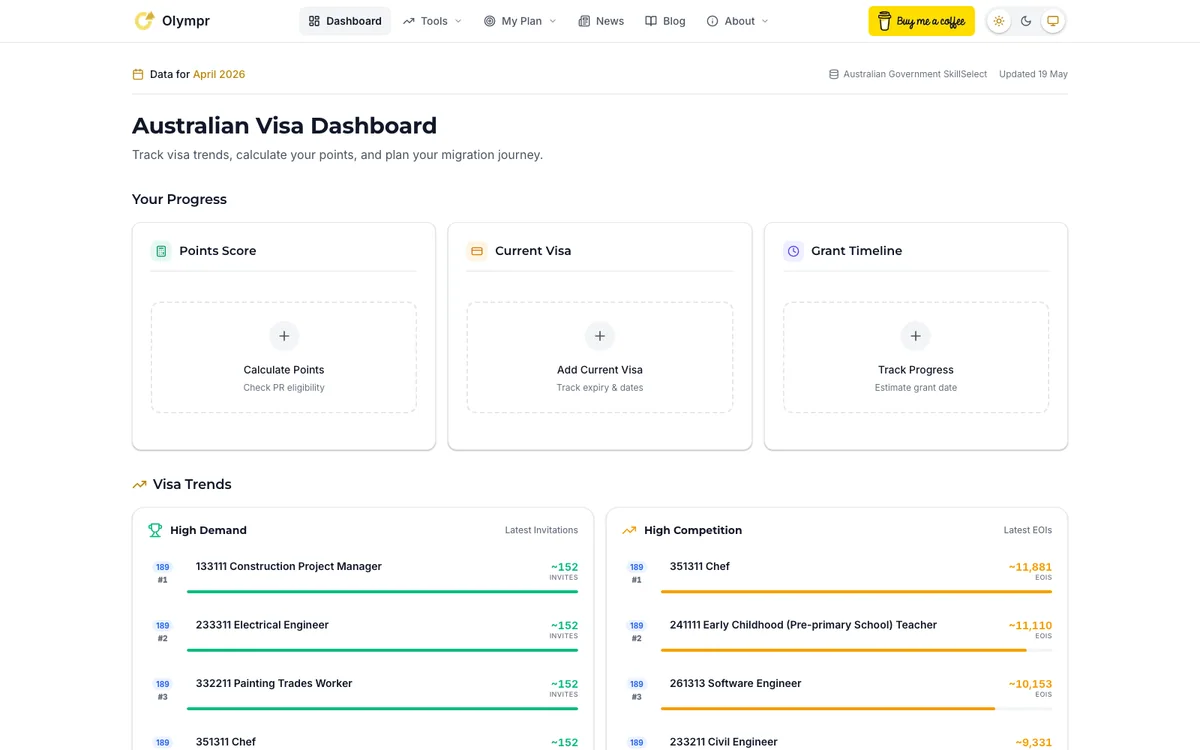
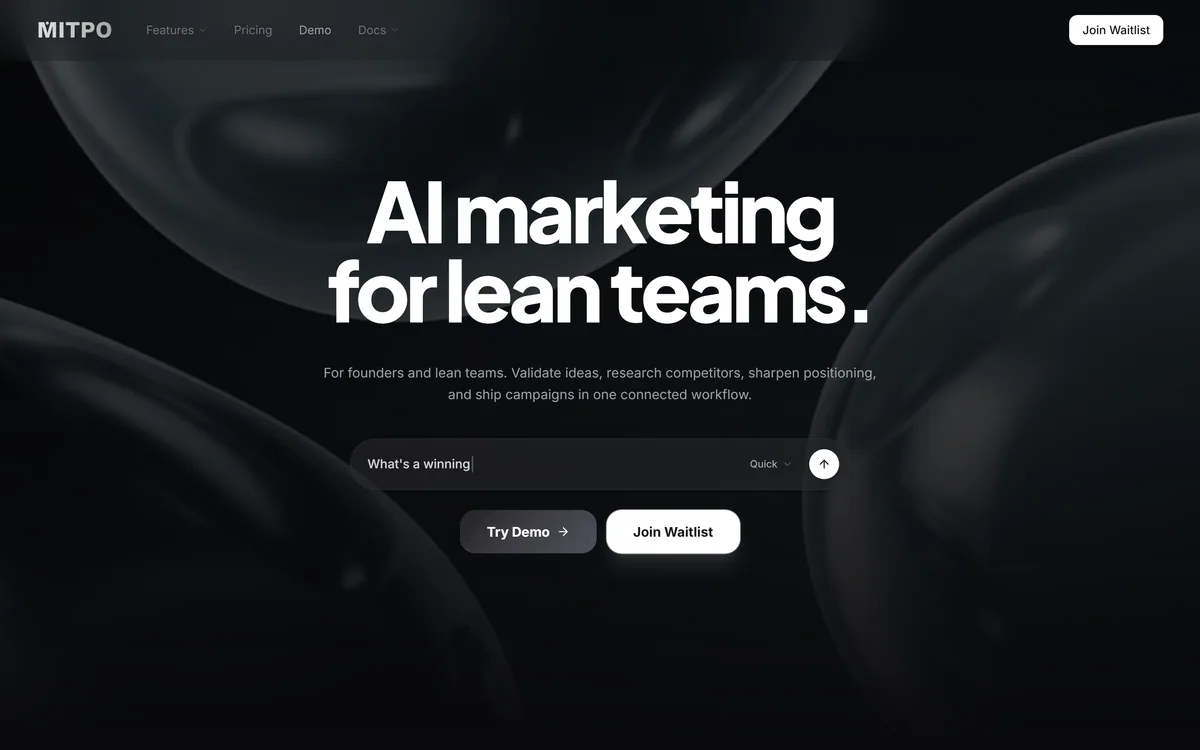
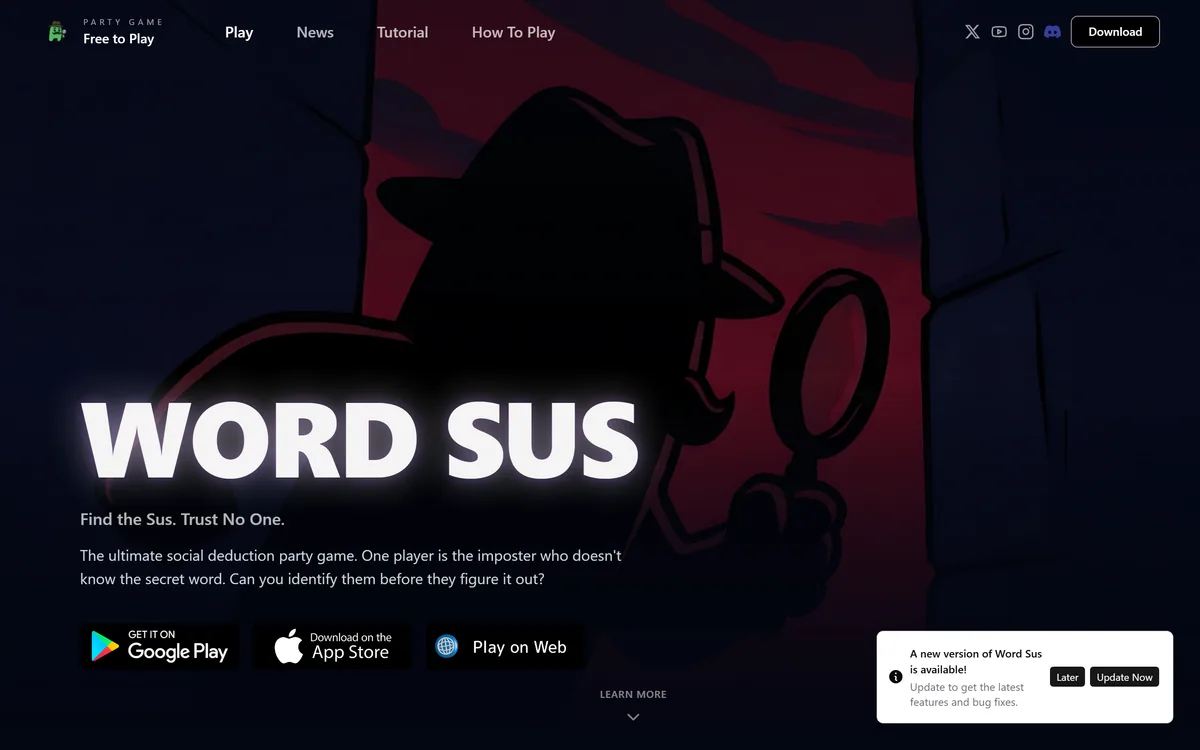
- Proof: live products we built and run, which you can open today: MITPO, Olympr and Word Sus. Client work stays private unless the client chooses to be featured, so we do not publish client case studies without permission.
If you are comparing studios for a first version, our guide to the MVP development process shows what a well-run build looks like from scope to launch. When you are ready, book a call.