A focused first version of an app usually takes six to ten weeks to build at IMME, after a discovery sprint that usually takes about two weeks. From a first call to a working product in the hands of real users, plan on roughly two to three months for most first versions, plus store review if it is a mobile app. Narrow builds such as a launch site can take less. Larger products take longer. The variable that decides it is scope: what the first version must do, and what can wait.
How long does each phase of an app build take?
| Phase | What happens | Typical time |
|---|---|---|
| Fit call | Goal, constraints, timeline, and an honest answer on whether we are the right team. | 20 minutes |
| Discovery sprint | Scope, user flows, technical plan, known risks and a fixed written quote. | Usually about two weeks |
| Design prototype | Key flows designed and clickable before most code is written. | Inside the six to ten week build |
| Build and integrate | Frontend, backend, database, auth, payments and integrations, with a working demo every week. | Inside the six to ten week build |
| Launch | Production release, app store submission where needed, analytics from day one. | Plus store review time |
| Measure and improve | Fix what slows real users down, in order of impact. | Ongoing |
The discovery sprint is what makes the build estimate real rather than a guess. It is also where most time is saved: a decision made on paper in week one costs a conversation, while the same decision made in week six costs rework.
The prototype comes first inside the build window. You click through the key flows and change your mind cheaply before code is written. After that, the build runs in weekly cycles, so every scope conversation happens over working software instead of a status report.
How long do different types of app take?
These are the timeline windows we give our example build concepts. They are honest product concepts that show how we scope a build, not client case studies, but the windows are the ones we would plan around for a similar first version.
| Example build | Type | Timeline window |
|---|---|---|
| Interactive launch page | Launch | 3 to 5 weeks |
| Product redesign sprint | Redesign | 3 to 6 weeks |
| AI research workflow | AI workflow | 5 to 8 weeks |
| Client portal | Portal | 5 to 8 weeks |
| Review and approval workflow | Portal | 5 to 8 weeks |
| Directory and marketplace MVP | SaaS | 5 to 8 weeks |
| Booking and operations web app | Web app | 6 to 9 weeks |
| SaaS MVP dashboard | SaaS | 6 to 10 weeks |
| Internal admin console | Web app | 6 to 10 weeks |
| Content production system | AI workflow | 6 to 10 weeks |
| Mobile companion app | Mobile app | 8 to 12 weeks |
| Multiplayer party game | Game | 8 to 12 weeks |
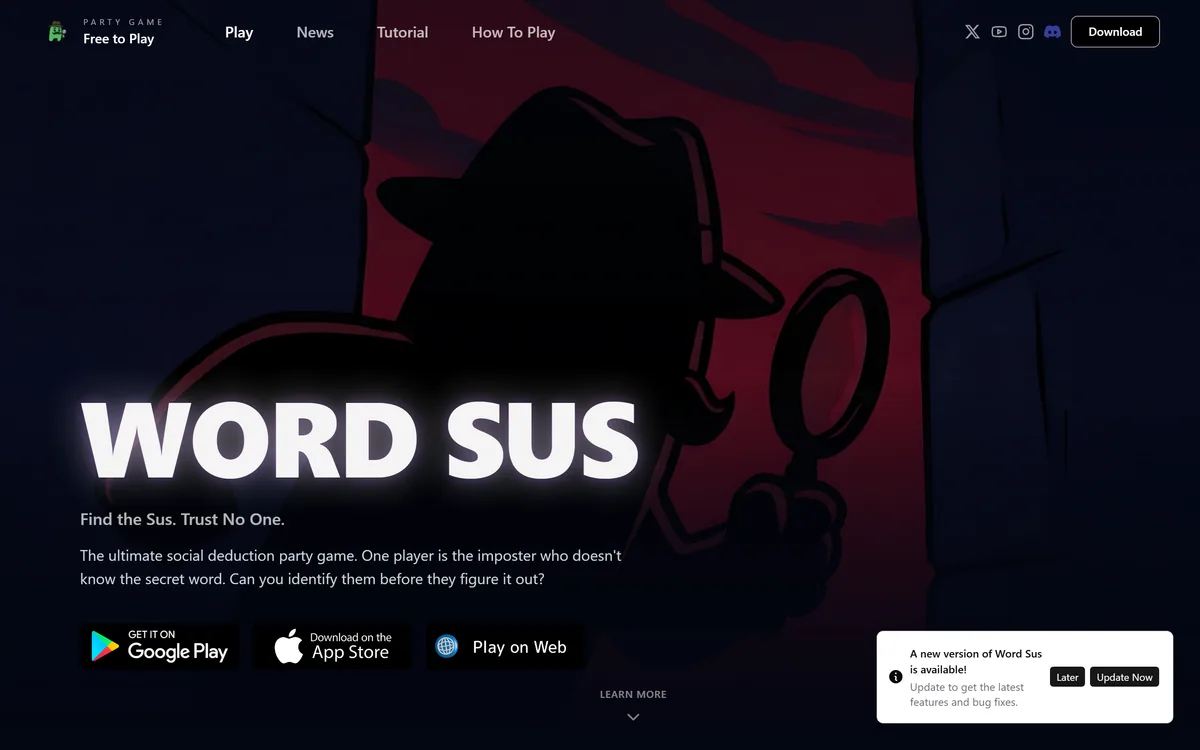
The pattern is consistent. Web products with one main user type sit at the short end. Mobile apps take longer because there are two platforms to build, test and release. Real-time multiplayer takes longest because state has to stay in sync across devices and dropped connections have to be handled gracefully. We learned that first-hand on Word Sus, which we set a hard launch date for and worked backwards from; the story is in how we designed and launched Word Sus in 90 days.
How long does App Store and Google Play review take?
Store review is outside anyone's control, so plan for it rather than hoping.
- Apple: Apple says that on average, 90% of submissions are reviewed in less than 24 hours. A rejection means a fix and a resubmission, so leave room for one round.
- Google Play: Google says certain apps may be subject to extended reviews of up to 7 days, or longer in exceptional cases.
- Google Play testing for new personal accounts: personal developer accounts created after 13 November 2023 must run a closed test before production access. At least 12 testers must be opted in when you apply, and they must have been opted in continuously for the preceding 14 days.
That last rule catches people out. It adds at least two weeks you cannot compress, so if it applies to you, start the closed test during the build, not after it. It applies to personal developer accounts, so decide early which account the app will publish under.
How long does it take to build an app with AI features?
Our two AI workflow examples sit at five to eight and six to ten weeks, close to other web products. The extra time is not in connecting a model. It is in making the output dependable: collecting real examples to test against, checking answers against them every time a prompt or model changes, and adding human review wherever a wrong answer is costly. Budget that time in from the start. An AI feature that works in a demo but has never been tested on your real data is not finished.
The same applies to cost control. Setting usage limits and tracking model spend per user is quick to build in week three and awkward to retrofit after launch.
What speeds up an app build?
- One decision maker who can answer questions within a day.
- A first version with one or two core jobs, not ten.
- Using existing services for payments, email and booking instead of building them.
- Access to APIs, accounts and data in the first week.
- Content that is ready: copy, pricing, legal pages and store screenshots.
- Weekly demos, so feedback lands on real software while it is cheap to change.
What slows an app build down?
- Scope added mid-build without anything else coming out.
- Integrations with thin documentation, or API access that takes weeks to approve.
- Messy data that has to be cleaned before it can be imported.
- Waiting on third parties: store accounts, payment provider checks, legal review.
- Decisions made by committee, or by someone who only sees the product at the end.
- No agreed definition of done, so launch keeps moving.
Can you build an app in less than six weeks?
Yes, when the scope is narrow. A launch page or a redesign sprint can take three to six weeks. For a product people will pay for or rely on, speed comes from cutting scope, not from skipping discovery or testing. Our guide to the MVP development process covers how to choose what goes in the first version and what waits.
How do you get a real timeline for your app?
Start with the scope. On a 20 minute call we check the goal, constraints and timeline. The discovery sprint then produces the scope, the technical plan and a fixed written quote, and the timeline comes with it. If you want to know what the same scope is likely to cost, see how much an app costs to build in Australia, or book a call.